Skip to content
Winter sale I up to -50% I only 48 h

"Die Fashion-Industrie ist NICHT nachhaltig."

The fashion industry has been criticized for years - and rightly so. The thesis is clear:

The fashion industry is not sustainable.

 
smi-image
 

Quality over quantity - the path to true sustainability

"Quality before quantity":
Instead of buying lots of cheap items, it is more sustainable to wear a few high-quality garments - preferably made from durable materials.

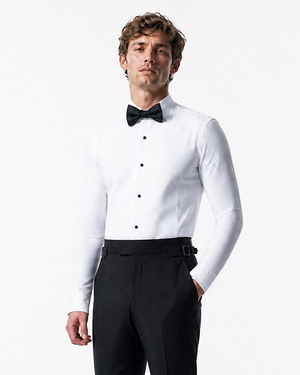
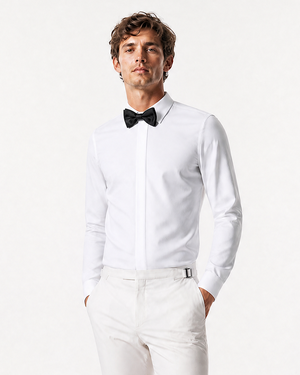
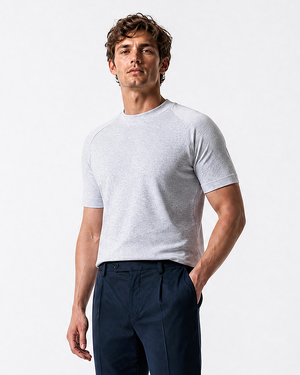
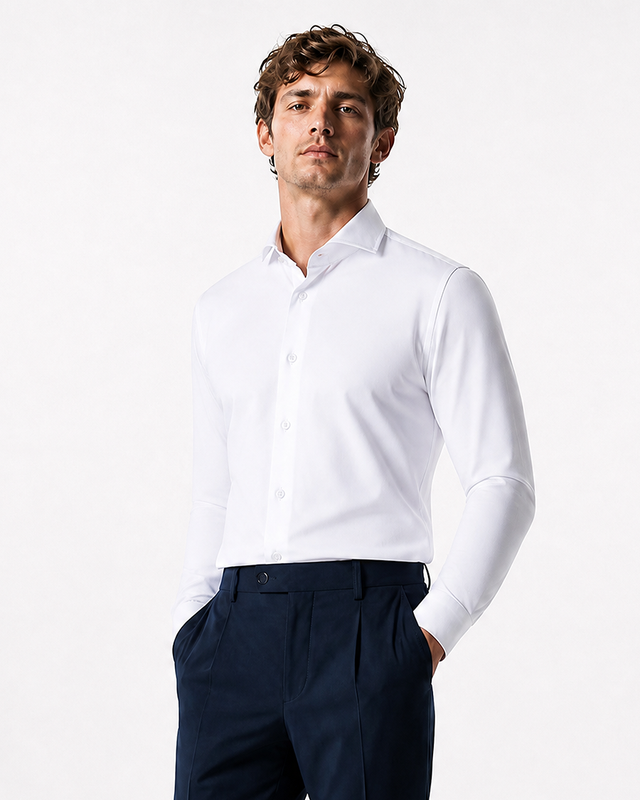
Polyamide fabrics that have been assessed according to PEF standards and are certified with Made Green in Italy are consciously sustainable technical textiles.

Suppliers with impact:

  • Eurojersey as an example of transparent, ethical and climate-friendly production - including reforestation projects, environmental protection partnerships and social responsibility.
  • Candiani Denim as Europe's leading manufacturer of denim made from organic cotton. Full certified transparency for raw materials and manufacturing processes.

Who is Eurojersey (Sensitive® Fabrics)?

  • Founded in 1960, today a leader in Italian warp-knit fabrics (Sensitive® Fabrics) for sports, underwear and swimwear.
  • Completely vertically integrated production: from knitting to dyeing, finishing, printing and finishing in one factory.
  • Sustainability strategy since 2007: SensitivEcoSystem®, a comprehensive program to reduce water, energy and chemical consumption as well as CO₂ emissions and waste management.
  • First Italian textile manufacturer with the "Made Green in Italy" certification, based on the PEF model for environmental assessment.
  • Further environmental and safety standards: ISO 14001, OEKO-TEX, GRS (Global Recycled Standard), compliance with REACH and Zero Discharge of Hazardous Chemicals (ZDHC).
  • A partnership "1 meter of fabric = 1 meter of rainforest" for reforestation in Argentina with the World Land Trust - around 36.8 million m² of rainforest protected to date.

Why our polyamide fabrics from Eurojersey used at IOS are more than just "synthetic fibers":

  • Sensitive® Fabrics are technically advanced warp-knit fabrics - not generic plastic fabric, but functional materials with performance properties.
  • Durability & performance: Fabrics are wrinkle-resistant, shape-retaining, elastic, quick-drying, machine-washable and non-iron - ideal for everyday wear, sports and travel.
  • Transparent environmental impact thanks to independent PEF measurement - from resource consumption to emissions for every meter of fabric ' conscious quality decision possible.
  • Socially and ecologically responsible production: code of ethics, supply chain commitments, anti-corruption; internal initiatives such as textile waste collection via Humana.
  • Catch-up circular strategies: recycling of textile waste into regenerated nylon or polymer for reuse in home or automotive textiles.

What you can do as a consumer

  • Buy less - choose better
  • Use second-hand or clothes swaps
  • Repair instead of throwing away
  • Choose labels with transparent supply chains
  • Look for certified seals

Conclusion: fashion can be sustainable - but not if everything stays that way

The fashion industry is currently not sustainable - too many mass-produced goods, too short life cycles, too little transparency.
But as a consumer, you can have an influence. With every purchase, you decide which fashion has a future.

Validated sources & studies

WARUM IOS?

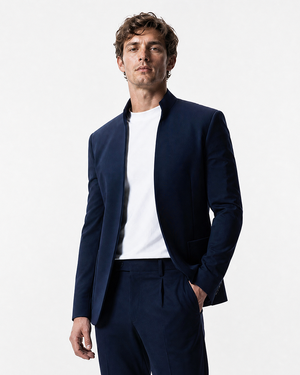
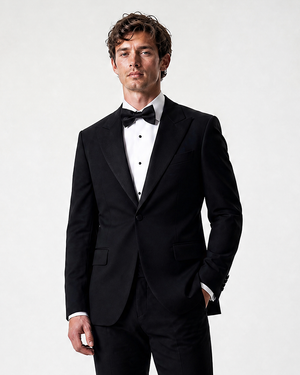
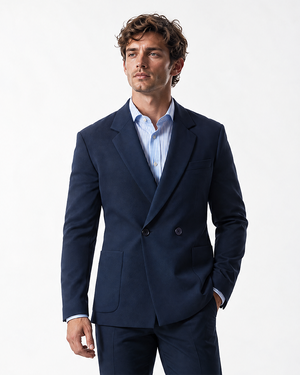
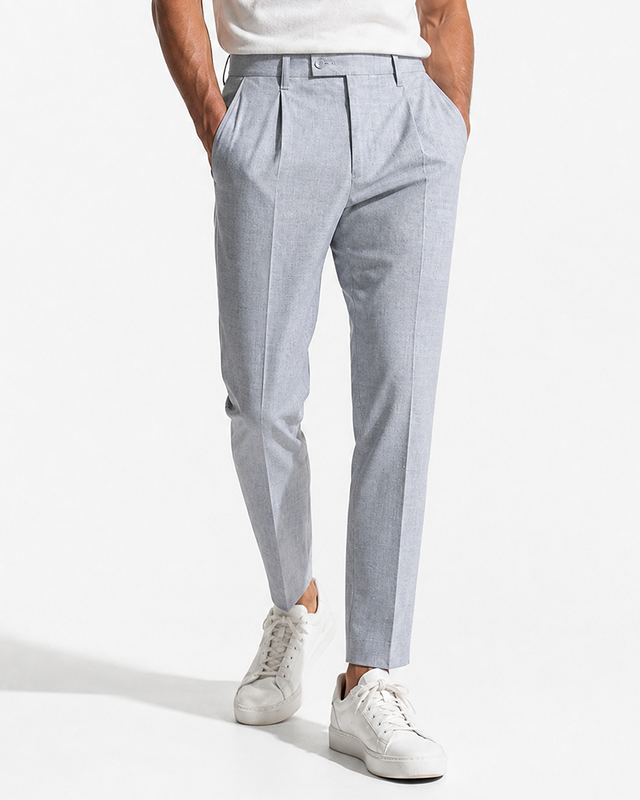
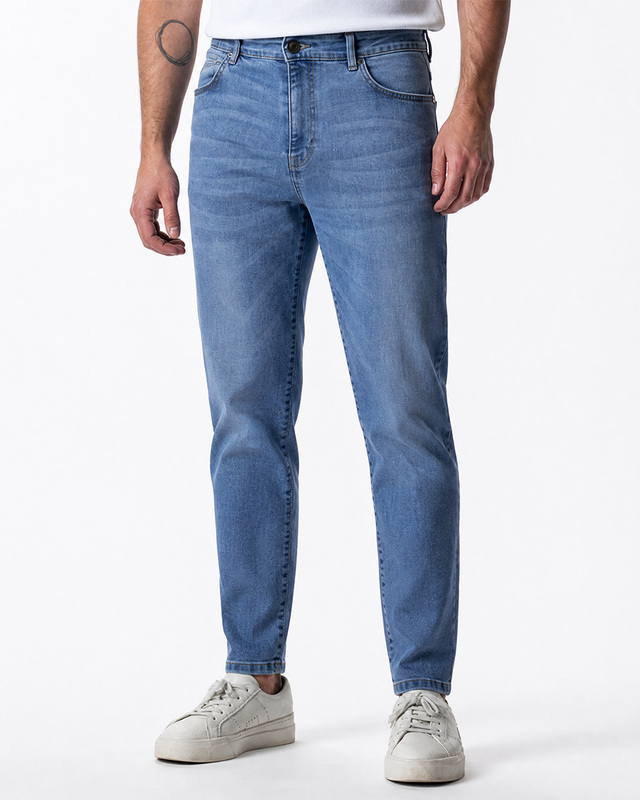
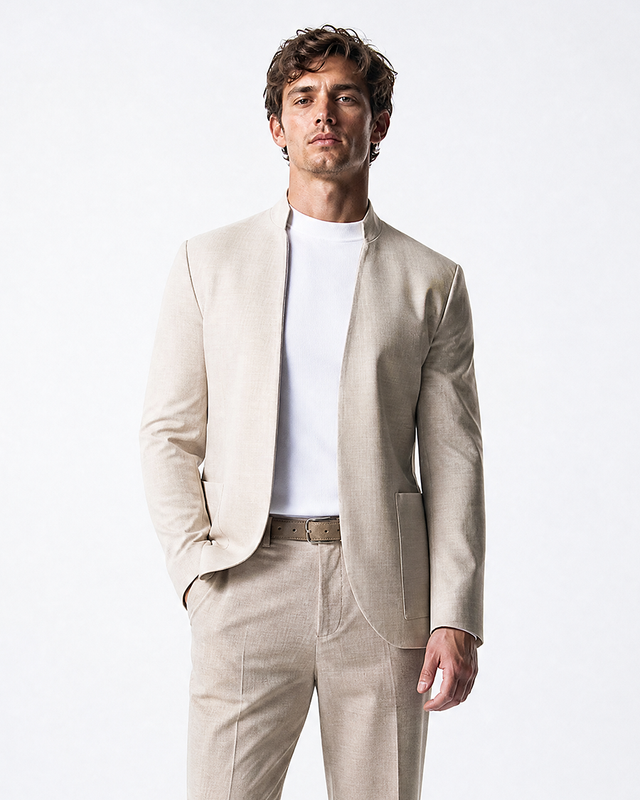
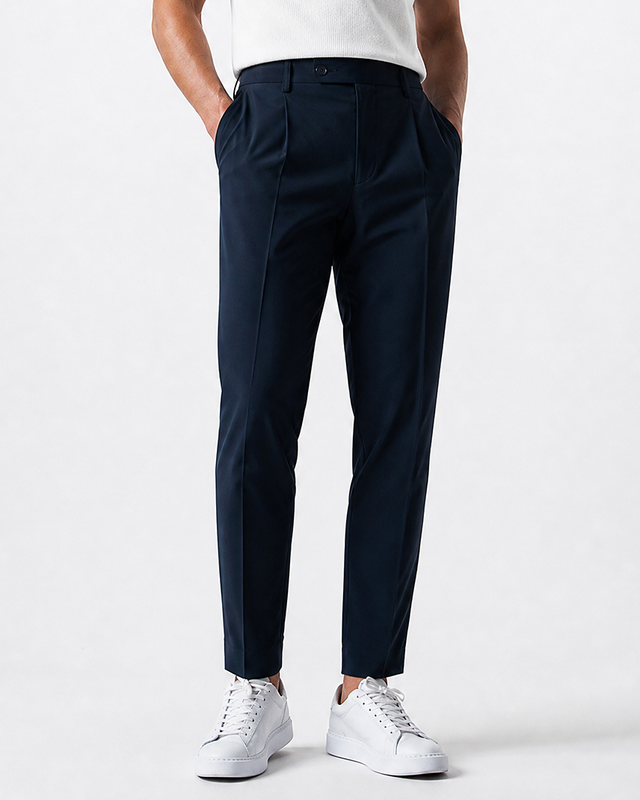
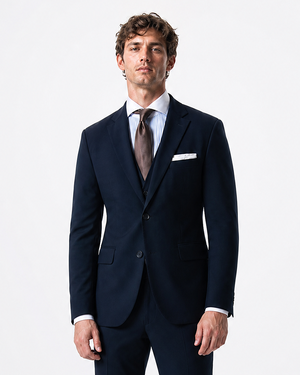
Alle IOS Produkte bieten dir maximalen Komfort, moderne Schnitte und besonders hochwertige Qualität.

IOS PRODUKTE ANSEHEN
Warum IOS neu.jpg